What Type of Fish Is This: Visual Clues, Lookalikes, and Safe Next Steps
Step-by-step visual checks to help you decide what type of fish is this, plus lookalikes, photo tips, and safe verification steps before you conclude.
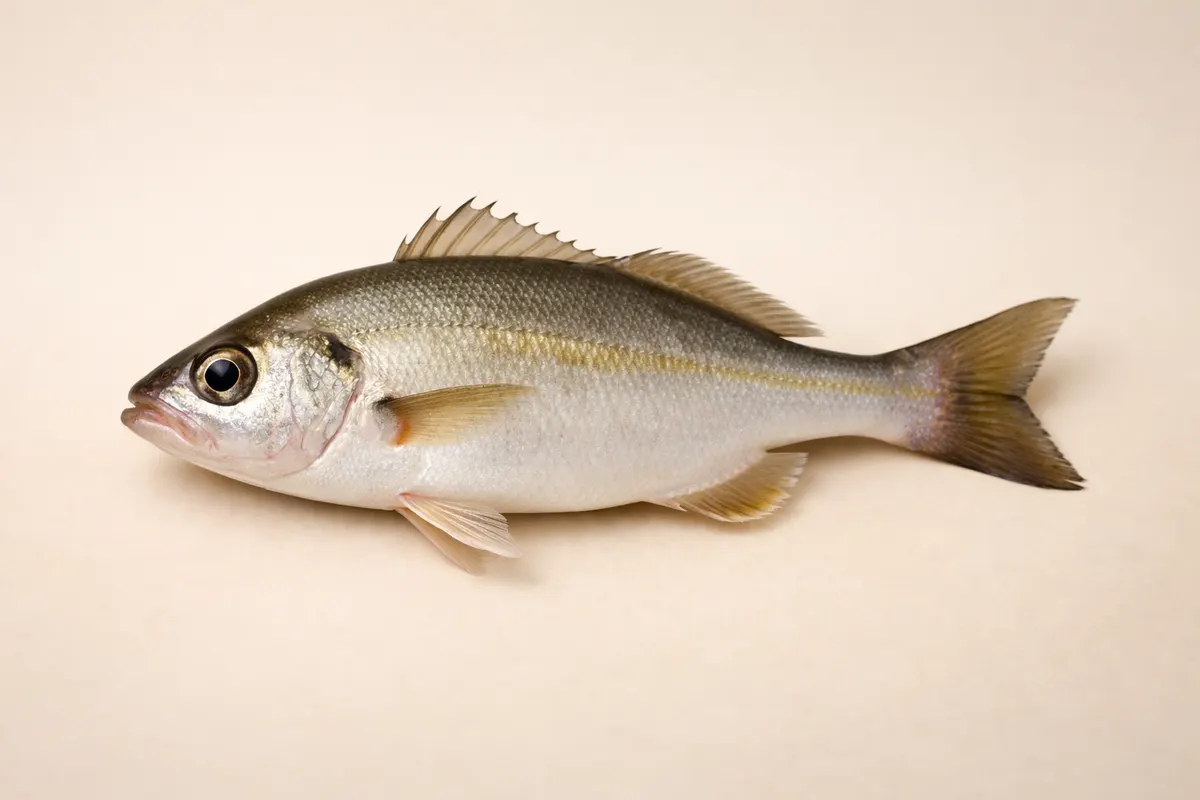
Quick answer for what type of fish is this
If you’re asking "what type of fish is this," start by matching a few strong visual clues: overall body shape (elongated, deep-bodied, flattened), the number and shape of dorsal and anal fins, fin placement, and distinctive color patterns or markings. A confident, short list of matching features is more useful than a single surface resemblance.
Many identifications can be narrowed to a small group (for example: sunfish family, bass-like freshwater species, or a small reef wrasse) from one clear photo, but a single image rarely proves a species-level ID. Treat the first match as a working hypothesis, not a final verdict.
Use the quick checklist below to sort likely families or common lookalikes, then follow the step-by-step workflow later in this article to confirm or rule out options before acting on the result.
- Start with silhouette, fin layout, mouth position, and markings; these clues usually narrow the fish faster than color alone.
- Use habitat and size as cross-checks, because freshwater, reef, tidepool, and open-water fish can share similar patterns.
What it means
Asking "what type of fish is this" is a request to place an observed fish into a practical identification category: family, genus, or species. For most users, a useful answer names a likely family (like goby, wrasse, perch, or snapper) and lists the visible clues that support that placement.
A practical identification balances two goals: reduce the set of possible matches and communicate how confident that reduction is. For example, calling a dark, vertically striped, deep-bodied freshwater fish a 'sunfish (family Centrarchidae)' is often accurate enough for anglers and hobbyists, but calling it 'bluegill' without scale counts or gill-raker checks is premature.
The phrase "type of fish" therefore covers broad labels (saltwater vs. freshwater), family-level IDs, and—when evidence is strong—species-level IDs. This guide focuses on visual clues and verification steps to move from broad type to a narrower, reliable answer.
- A useful answer may be a family or group rather than an exact species when the photo lacks scale, angle, or regional context.
- Confidence improves when body shape, fin placement, mouth position, pattern, and habitat all point to the same group.
Key clues
Good visual clues are those that are obvious, stable across photos, and tied to fish anatomy rather than temporary color shifts. Start with overall silhouette, then move to fin counts and placement, mouth shape and position, scale type (if visible), and any distinctive marks such as bars, spots, or ocelli (eye spots).
Contextual clues matter: habitat (rocky shore, reef, open water, muddy freshwater), depth, and the presence of plants or coral help rule groups in or out. A flattened body in a sandy bottom photo points toward flatfishes; a long eel-like silhouette suggests an eel or eel-like goby, not a juvenile of a different family.
Color can help but is less reliable alone; many species change color when stressed or during breeding. Patterns (bands, stripes, spots) plus anatomical clues create a stronger ID than color by itself.
Below are the most actionable clues to check on your photo. Use them as a checklist and note when a clue is ambiguous or hidden.
- Silhouette: elongated (eel, needlefish), deep-bodied (sunfish, cichlid), compressed/side-flattened (butterflyfish, angelfish), flattened bottom-dweller (flounder).
- Fin configuration: single vs. separate dorsal fins, length of dorsal fin, presence of long filamentous fins, saw-like spines vs. soft rays.
- Fin placement and mouth orientation: terminal mouth (mid-face) vs. superior (upturned) vs. inferior (downturned) indicates feeding zone (surface, midwater, bottom).
- Tail shape: forked (fast swimmers), rounded (slow maneuvering reef fish), lunate (open-water cruisers).
- Scale texture and size (if visible): large ctenoid scales in many perches versus smooth cycloid scales in some minnows.
- Distinctive markings: lateral line, opercular spots, eye-like ocelli, vertical bars or horizontal stripes.
- Teeth visible in a clear mouth shot: can distinguish predators like pike family vs. herbivores.
- Context/habitat: freshwater stream, estuary, rocky intertidal, coral reef, sandy bottom.
- Size and proportions if scale is present (hand, ruler, bait): body depth compared to total length can separate families.
Step-by-step workflow
Use this five-step workflow to move from a vague visual match to a prioritized short list of probable types. Work methodically and log which clues you used so you can revisit or share them with others for verification.
Step 1: Assess photo quality and context. Note angle (lateral, head-on, belly-up), lighting, and any scale object. If the fish is partly obscured, mark which features are visible and which are not. Poor angle or heavy glare weakens confidence quickly.
Step 2: Record the strongest silhouette and fin clues. Is the dorsal continuous or split? Are fins tall and pointed or short and rounded? These features often place a specimen into a family even when color is misleading.
Step 3: Check mouth position and visible teeth or barbels. Bottom feeders and ambush predators show characteristic mouth shapes. Combine this with habitat to narrow options (e. g. , bottom mouth + muddy estuary suggests goby or sculpin).
- Step 4: Compare pattern elements—bars, stripes, spots—to field guides or trusted online photo galleries that specialize in your region.
- Step 5: Decide confidence level and next checks: High confidence (clear, multiple matching clues) → tentatively name the group and look for range/season data; Moderate confidence → request more photos or a size reference; Low confidence → treat the ID as tentative and collect more context.
Examples
Example 1 — Shallow freshwater fish with a deep body, short rounded tail, and a dark opercular flap: this combination points to a sunfish (family Centrarchidae). Many juvenile bass and bluegill look similar, so note gill cover shape and dorsal fin spine count for further narrowing.
Example 2 — Long, slender silver fish with a forked tail and upturned mouth in a tidepool photo: likely a surface-feeding species such as a needlefish or halfbeak. The forked tail and body shine are consistent with fast-swimming, surface-oriented types.
Example 3 — Small, cryptic fish with a flattened head, large pectoral fins, and a mottled brown pattern resting on a rock: typical of sculpins or gobies. Look for pelvic fins that form a suction disk (goby) versus broad pectoral fins used to perch (sculpin).
- Use each example as a clue pattern: match the body shape first, then check fins, mouth position, markings, and habitat.
- If an example matches only by color, keep it tentative until anatomical features and location support the same fish group.
Limitations
A single photo has clear limits. Species that hybridize, show breeding colors, or aggressively change pattern when stressed can easily be misidentified from one image. Geographic range and habitat are essential verification clues—an apparent reef snapper in a Midwestern lake is almost certainly mislabelled or a different lookalike.
Separate outcomes into three tiers: high-confidence (multiple, consistent clues and a believable habitat), partial-confidence (some good clues but missing scale or angle), and uncertain (only color or one vague resemblance). Use the tier to determine whether to act on the ID—especially for consumption, regulatory reporting, or species protection issues.
When to get expert help: if the fish might be protected, venomous, regulated, or commercially valuable, stop at a tentative ID and consult a local fisheries biologist, experienced angler group, or a museum collection. Do not assume safety, edibility, or legal status based on a single image.
- High-confidence: clear lateral view, visible fin counts and placement, plausible habitat and size reference.
- Partial-confidence: some matching clues but insufficient detail (e. g. , only head visible or heavy color shift).
- Uncertain: small, blurred, oblique photos or juvenile forms that mimic several families.
Related guides
Try Fish Identifier after checking visible clues
Use the Fish Identifier app on your phone to run a first-pass ID after you’ve noted silhouette, fins, and habitat. Treat app results as research notes—confirm uncertain or sensitive cases with a local expert before acting.

Frequently asked questions
Can I identify any fish species from a single photo?
Sometimes you can narrow a fish to a likely family from one clear photo, but species-level confirmation usually needs multiple views (lateral, head, fins) or extra context like location, size, and habitat. Treat single-photo IDs as provisional.
What details should I include when asking others to help identify a fish?
Share the best available images (side profile, mouth view, and underside if possible), note where and when it was seen, estimate size using a common object for scale, and describe habitat (freshwater stream, sandy beach, reef depth). These details greatly increase identification accuracy.
Are color and pattern enough to identify lookalike species?
Color and pattern help but are not sufficient alone because many fish change color with stress, breeding, or water conditions. Use pattern combined with anatomy—fin shape, mouth position, and body proportions—to separate lookalikes reliably.
If I suspect a dangerous or protected species, what should I do?
Do not handle or consume a fish you suspect is venomous, protected, or regulated. Record clear photos from a safe distance, note exact location, and contact local wildlife authorities or a fisheries specialist for guidance before taking any action.