Invasive Fish Species: Visual Clues and Safe Reporting Steps
Learn which visible clues reliably suggest invasive fish species, what photo details are weak signals, and safe next steps before reporting a sighting.
Quick answer: what photos can tell about invasive fish species
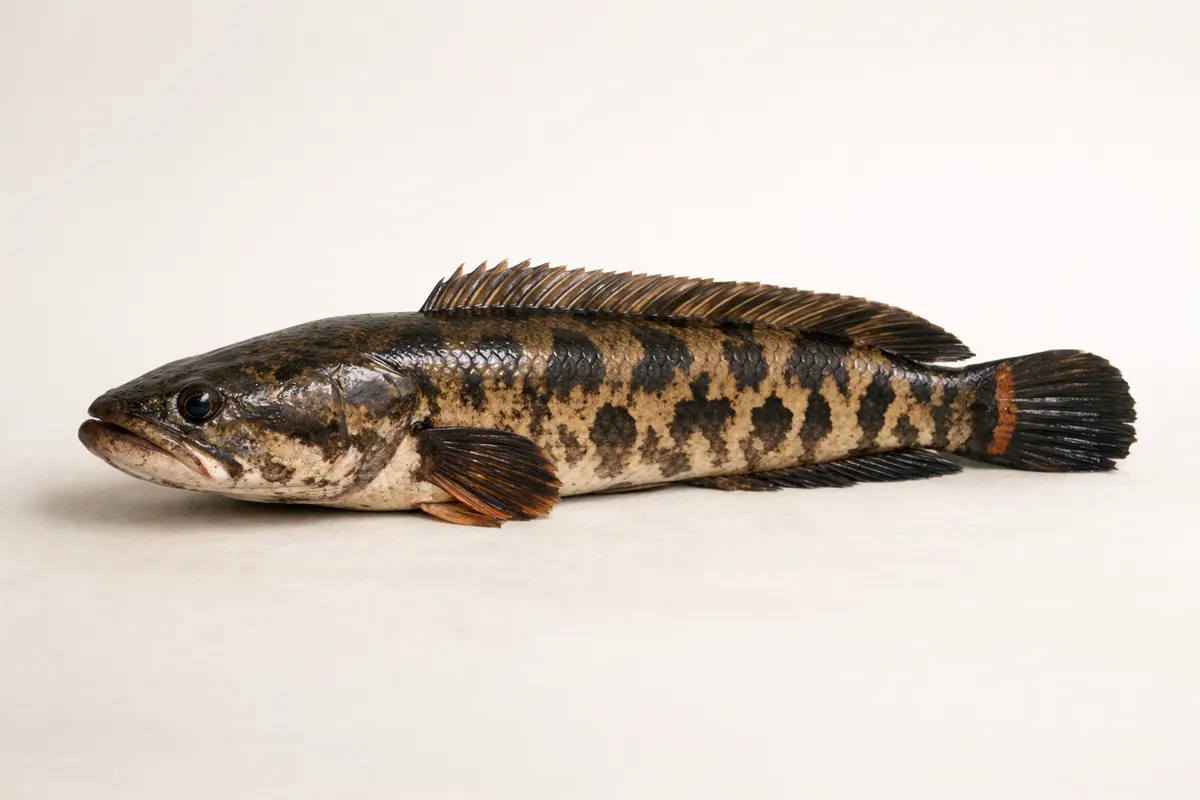
A single phone photo can suggest that a fish might be an invasive fish species, but it rarely proves it. The most reliable photographic clues are structural details that don’t change with light or minor angle shifts: body shape, fin arrangement, distinct spines or appendages, and mouth or jaw structure. When those features match known invasive species in your region, the image becomes a useful tip for follow-up.
Photos that show behavior—jumping, surface-skimming, or unusual schooling—also carry weight because some invasive species have characteristic habits. For example, silver carp (an invasive Asian carp) often leap when startled, and lionfish display unmistakable long venomous dorsal spines. Those kinds of visual cues make a sighting more plausible, but they still require context and verification.
Treat every photo as a starting point. Collect at least one additional view (side and head-on), note habitat and size references, and record date and location before assuming a confirmed invasive identification. Use the image to prioritize safe next steps: report to local authorities or invasive-species hotlines, keep notes for professionals, and avoid moving or releasing the fish yourself.
Strong visual clues that suggest invasive fish species
Some details are much more reliable than color or vague shape. Start by checking fin configuration: count major fins and note placement. Invasive species with diagnostic fins include lionfish (long, separated dorsal spines), northern snakehead (a long continuous dorsal fin running back toward the tail), and round goby (single fused pelvic fins forming a suction cup). A clear photo that captures fin layout from the side or three-quarter view is extremely helpful.
Body proportions and profile matter. Elongated, eel-like bodies, deep laterally compressed bodies, or very flat bottoms are structural clues that survive poor light or small-scale image noise. For example, the silvery, high-backed profile of bighead or silver carp differs from common native minnows. Even if colors wash out, a distinct head shape with a protruding lower jaw or a beak-like mouth can point to a specific invasive group.
Late-stage clues such as barbed or venomous spines, visible teeth, or distinctive scale texture are strong signals. Lionfish’s long, rigid, banded spines are visible at normal phone-photo distances and rarely misread. Similarly, the presence of a pronounced lateral line or obvious gill rakers can separate lookalikes when the photo resolution allows detail.
Always capture a reference for size and habitat. A coin, hand, or ruler placed at a safe distance, or a frame including shoreline features or a boat, makes size estimates actionable. Habitat notes (freshwater marsh, open river, estuary, reef) narrow candidate lists dramatically: some invasive fishes only appear in brackish or marine settings.
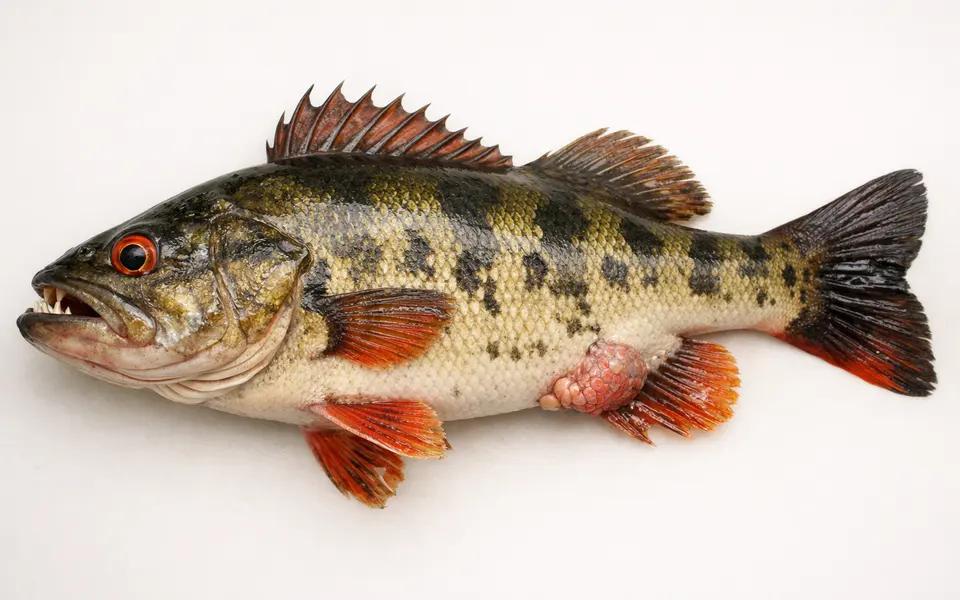
- Fin arrangement and number (dorsal: single vs split, pelvic fusion) — highly diagnostic.
- Head and mouth shape (protruding lower jaw, upturned mouth, deep head) — decisive for several invasive groups.
- Distinctive spines or venomous rays (lionfish-style spines) — visually obvious and rarely mistaken.
- Body profile and proportions (elongated snakehead vs deep-bodied carp) — survives poor lighting.
- Size reference plus habitat context (coin, shore, marsh) — essential for realistic comparisons.
Weak signs to avoid when flagging invasive fish species
Color alone is a weak signal. Lighting, water turbidity, camera white balance, and stress colors can shift hues dramatically. For instance, juvenile native species and small invasive species can both appear mottled or dark under low light, so color should never be the sole basis for a report.
Single-angle photos, silhouettes, or blurry out-of-focus shots will increase false positives. A silhouette might show general shape but will mask fin details and mouth structure—two features often key to differentiating invasive species from natives. Avoid reporting based solely on a distant dark shape near the surface.
Assuming behavior from a single snapshot is risky. A leaping fish might indeed be a silver carp, but many fish jump in certain conditions. Likewise, aggressive schooling in a photo could reflect a feeding event rather than an invasive pattern. Use sequence photos or short video clips when possible to confirm behavior claims.
- Color shifts (lighting, water color) — unreliable for species-level claims.
- Single silhouette or distant shot — hides diagnostic fin and head features.
- Background objects causing scale error — no size reference leads to misidentification.
- Partial body views (only tail or only head) — dangerous to rely on one fragment.
- Assumed behavior from one frame — use multiple frames or video if behavior is a claim.
How to compare likely matches using multiple visual clues
Use a stepwise comparison rather than jumping to a best match. First, gather context: habitat (freshwater, brackish, marine), depth and substrate (rocky, sandy, vegetated), date and location. Second, list three structural clues visible in your photos (fin setup, head shape, body profile). Third, search local invasive species lists or field guides and filter to species that match habitat and at least two structural clues.
A practical checklist speeds decisions: (1) Can I clearly see the dorsal fin(s)? (2) Is there a continuous dorsal margin or separated spines? (3) Is the mouth terminal, superior, or subterminal? (4) Are pelvic fins fused? When three or more answers line up with a known invasive species, prioritize reporting and expert confirmation. If fewer than three strong clues match, treat the sighting as uncertain and gather more evidence.
Compare likely matches side-by-side and actively rule out lookalikes. For example, northern snakehead and bowfin both have elongated bodies, but the snakehead’s elongated head and clearly segmented dorsal fin set it apart from a bowfin’s rounded tail and different scale pattern. A second photo showing the head or tail can often resolve which is which.
Document your decision trail. Note which features pointed you toward a species and which features were missing or ambiguous. That record helps professionals quickly evaluate the sighting and reduces back-and-forth questions from invasive-species managers. Include the highest-confidence clues first when you write a report.
- Step 1 — collect habitat, time, and size reference.
- Step 2 — record 3 structural clues (fin layout, head, body profile).
- Step 3 — match against local invasive lists and rule out lookalikes.
- Step 4 — if two or more strong clues match, escalate reporting; otherwise gather more photos.
- Keep a short log of the features that influenced your match to help authorities verify quickly.
Use the app after your visual-clue checklist
After you collect context and multiple photos, use Fish Identifier on your phone as a research aid—not a final authority. The app can quickly surface candidate species and local lookalikes so you can compare them against the specific clues you observed. Treat the app’s suggestions as hypotheses to confirm with experts or agency contacts.
Capture photos that help the app and human reviewers: a clear side profile, a head-on or 45° view showing the mouth and eyes, and a close crop of any diagnostic fin or spines. Include a size reference like a hand (if safe) or an anchored object in the same plane. If you can’t safely handle the fish, photograph from the shore or boat without disturbing it.
Record simple metadata the app accepts on your device: date, approximate location, habitat notes, and whether the fish was alive, dead, or in an aquarium. If a suspect match emerges, save that result as a research note and include the three strongest photographed clues in any report. Do not assume the app’s top suggestion is definitive; instead, use it to prepare concise information for reporting.
If you want a broader primer on visual clues and lookalikes before you use the app, consider this practical overview: https://fish-identification.app/blog/what-type-of-fish-is-this. That article expands on clue-based comparison steps and examples that help you assess a candidate match before contacting authorities or community reporting channels.
- Take at least three angles: side, head/45°, and a close-up of fins or spines.
- Include a size reference and habitat notes in your record to narrow matches.
- Use Fish Identifier suggestions as notes; save top candidates and their matching clues.
- If the app result is uncertain, compile photos and clues before contacting local invasive-species reporting channels.
Related guides
Next step: use Fish Identifier alongside your clues
After you document clear structural clues and gather multiple photos, open Fish Identifier on your phone to surface candidate matches and local lookalikes. Treat app results as research notes: save top suggestions, note which photographed clues matched, and include that summary when you report a suspected invasive fish species to local authorities. The app speeds initial comparisons, but final confirmation should come from qualified experts or agency verifications.

Frequently asked questions
Can I identify an invasive fish species from a single phone photo?
A single phone photo can suggest a likely invasive species when it clearly shows diagnostic structural features—distinctive spines, fin arrangement, or a unique head shape. However, a single image rarely provides definitive proof. Lighting, angle, and partial views create ambiguity. When in doubt, gather at least two more clear views (side and head/close-up), add a size reference and habitat notes, and then treat the initial image as a prioritized lead for experts to review.
What should I report and who should I contact if I suspect an invasive fish species?
Report the sighting to local natural resource agencies, your state or provincial invasive-species hotline, or an organized citizen science program that handles aquatic invasives. Provide clear photos from multiple angles, date and location, habitat description, and the three strongest visual clues that led you to suspect an invasive species. Avoid moving the specimen or attempting to transfer it to a new location. Agencies will advise whether they need a physical specimen, further photos, or a site inspection.
How do I photograph a suspected invasive fish safely and effectively?
Prioritize safety for yourself, other people, and wildlife. Photograph from the shore, dock, or boat without entering the water if conditions are uncertain. If the fish is in an aquarium, avoid handling stressed animals. Use steady close-ups for fin and head detail, a clear side profile for body shape, and one contextual frame showing size and habitat. If you must handle the fish—for example, during a permitted survey—wear gloves, minimize handling time, and disinfect gear afterward to prevent spreading eggs or pathogens.
What if I find a suspected invasive species in my home aquarium?
Do not release the fish into local waterways. Instead, isolate the specimen in a secure container, review local regulations, and contact aquarium or invasive-species authorities for guidance. Many regions require reporting and may recommend humane euthanasia or transfer to designated facilities. Use photos and notes about where and when you acquired the fish to help authorities trace the introduction pathway and reduce further spread.