Freshwater Fish Identification
Freshwater Fish Identification: Visual Clues & Photo Tips
Explore freshwater fish identification through body shape, fins, mouth position and barbels. Compare lookalikes, take useful photos and check uncertain matches.
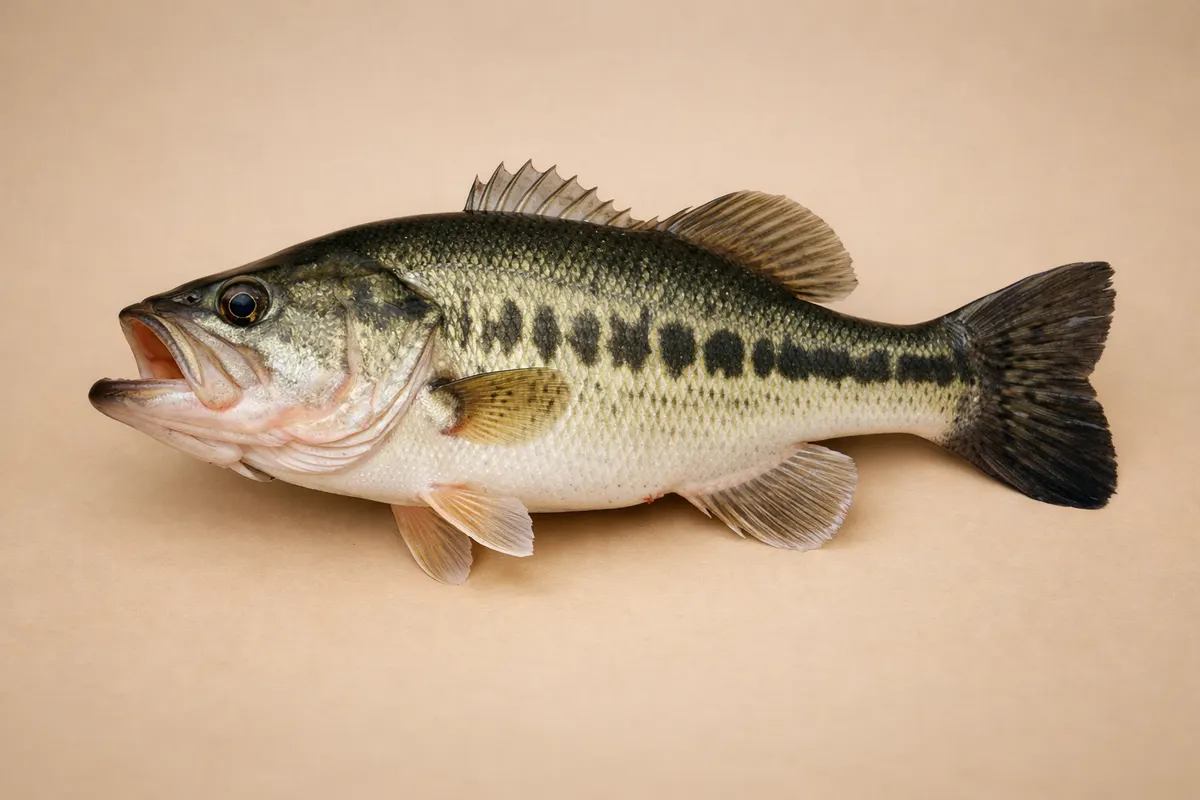
A clear photo can narrow freshwater fish identification to a few likely species groups by showing body profile, fin shape, scale pattern, and mouth features. That first-pass match helps you decide whether you need further verification or expert input.
Photo-based identification works best when several visible traits agree: mouth position, the presence or absence of barbels, fin arrangement, tail shape and markings. Color alone is a weak basis for a species name because lighting, age and condition can change its appearance. A hidden feature should remain unknown rather than be filled in from an expected species.
After comparing these clues, use the freshwater photo tool for a possible species or family and an explanation of the visible evidence. Keep the country, region and waterbody alongside your own notes: the current upload form does not collect location. For a broader photo checklist, see Identify Fish by Photo: https://fish-identification.app/blog/identify-fish-by-photo.

How identification works
Step 1
Snap a photo
Take a clear, well-lit photo of your item in the Fish Identifier app.
Step 2
Get an instant identification
The app reads the visible clues and returns the closest matches in seconds.
Step 3
Review the details
Compare the result with your photo, review any uncertainty, and check the suggested next steps.
Body, mouth and fin signals to compare
Before you take a photo or run an app scan, inspect the fish for a short checklist of signals that reliably show up in images. Good photos capture profile, fins, head shape, and any facial appendages like barbels.
Use an existing clear photograph where possible. A full side view should include the snout, tail and fins without an angled crop that distorts proportions. If a scale reference is already available, keep it in frame. Do not harm, unnecessarily handle or prolong a fish’s time out of water just to obtain a better photograph.
- Body profile: note whether the body is deep, slender or flattened, then compare it with the other features.
- Mouth position: record whether the opening faces forward, upward or downward; a side view is often more informative than a head-on crop.
- Barbels: look for whisker-like appendages near the mouth and note where they attach. Do not mistake glare or an obscured feature for their absence.
- Fins: compare their position and outline. Count spines or rays only when the photograph resolves them clearly.
- Tail shape: compare a forked, rounded or nearly square outline. A folded or damaged tail can be misleading.
- Markings and location: use spots or stripes alongside structural clues and a reference for the region where the fish was observed.
What a freshwater fish identification result shows
The freshwater tool provides a written first-pass assessment: a possible species or family, visible clues, close lookalikes and details that remain uncertain. It may be unable to go beyond a broad group. Its response is text; it does not draw diagnostic marks on your photograph or supply a calibrated probability of correct identification.
Compare each stated feature with the original image. If the explanation depends on a barbel, fin edge or marking that you cannot see, treat that point as unverified. A plausible name is more useful when accompanied by a clear account of what would rule it out.
Keep the result with the original photograph and your location notes when consulting a regional fish guide or fisheries specialist. A photo assessment cannot establish food safety or permission to keep, move or sell a fish. Check the relevant authority separately for those decisions.
- Read the suggested species or family together with its visible supporting clues.
- Check whether an alternative explains the same features equally well.
- Record missing views and location information instead of guessing them.
- Use the Fish Visual Checklist for another review of the photograph: https://fish-identification.app/blog/fish-visual-checklist.
Species commonly confused with freshwater catches
Lookalike comparisons work better as a sequence of checks than as a single decisive trait. Start with the whole body, then compare the mouth, fins and tail. Age, hybrids, injuries and folded fins can leave a photograph inconclusive even when the image is sharp.
For common carp identification and grass carp identification, the mouth region is particularly useful: common carp have barbels, while grass carp lack them. Verify that the relevant area is actually visible before using that distinction. The USGS species profiles provide reference descriptions: https://nas.er.usgs.gov/queries/FactSheet.aspx?speciesID=4 and https://nas.er.usgs.gov/queries/greatlakes/FactSheet.aspx?Species_ID=514.
- Carp-like fish: compare the mouth and barbels with a regional reference; body color alone cannot settle the identification.
- Types of catfish: compare tail outline, head shape and visible fin details with a species key. Whiskers alone do not identify a particular species.
- Young fish: use a guide that includes juveniles instead of assuming the adult shape or markings should already be present.
- An unclear match: keep a family-level answer until a relevant feature or a local expert resolves the alternatives.
Frequently asked questions
Which views are most useful for a freshwater fish identification guide?
A full side view showing the head, fins and tail is a good starting point. Existing close views of the mouth or markings can add detail. Avoid glare and strong perspective distortion, and retain location notes. Do not harm or unnecessarily handle a fish to obtain extra views.
How can I tell if the photo is good enough for a reliable freshwater fish identification?
The photo should show the whole body, visible fins and the mouth without heavy blur or glare. Check whether the written explanation is supported by details you can see. If a key feature is hidden, a family-level or inconclusive result is more appropriate than a confident species claim.
What’s the difference between common carp identification and other carp-like species when using photos?
The presence of barbels around the mouth supports a common carp comparison, while grass carp lack barbels. Compare other visible structures and location with a regional reference as well. A cropped or blurred mouth is insufficient to call barbels present or absent.
Can a single photo confirm whether a freshwater fish is safe to eat or legally protected?
No. A single photo can help identify likely species, but legality, edibility, and protection status often require exact species confirmation, local regulation checks, and sometimes measurements or expert review. Treat image-based ID as a first pass and follow up with authoritative resources for legal or health decisions.
Related guides
Run a photo-first check with Fish Identifier
Use your clearest existing photo at https://fish-identification.app/tools/freshwater-fish-identifier for a possible species or family, visible clues and next checks. Compare the explanation with your photograph and a regional reference before relying on a match.